
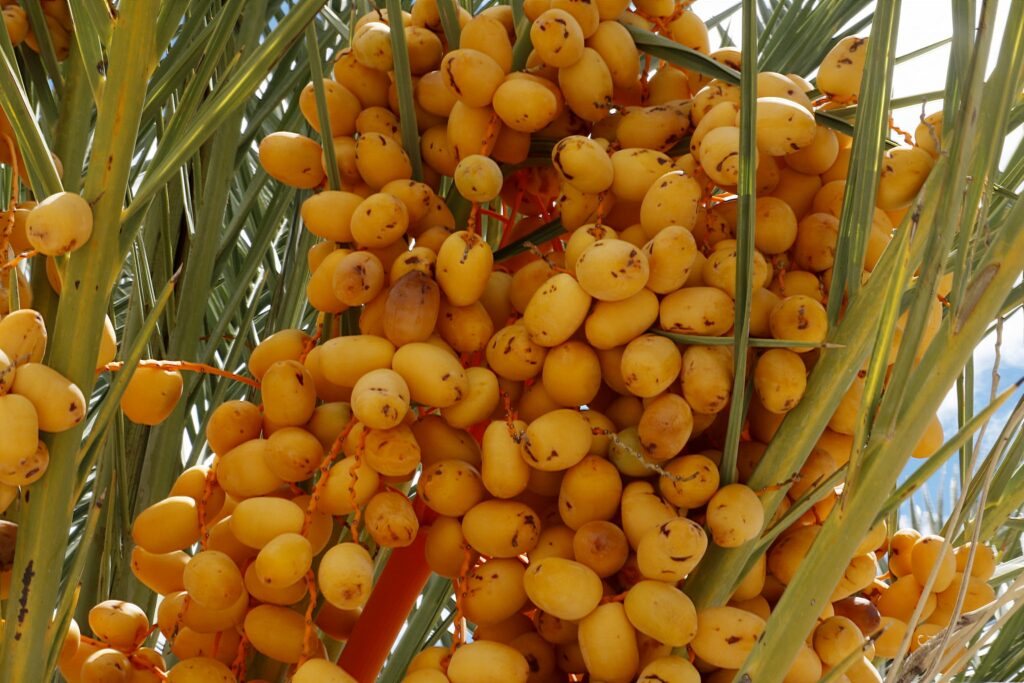
Egyptian dates — known across the Malay-speaking world as kurma mesir — are among the most important date fruits in the global trade, yet they are often overlooked in wholesale catalogues that focus on the more famous Saudi and Palestinian varieties. Egypt is, in fact, the largest date producer on earth, growing millions of tonnes each year across the Nile valley, the western oases, and the fertile delta. For wholesalers, retailers, and serious buyers in Malaysia and the wider region, understanding what Egyptian dates offer — their varieties, grades, and commercial positioning — opens the door to a reliable, high-volume, and competitively priced product line. This guide explores the origins of Egyptian dates, the key varieties such as Siwa, Saidy, and Barhi, how they are graded, and the practical realities of buying them at wholesale.
Why Egyptian Dates Matter in the Wholesale Trade
Egypt has cultivated the date palm (Phoenix dactylifera) for thousands of years, and the fruit is woven deeply into the country's agriculture and culture. What sets Egypt apart is scale: it consistently produces more dates by volume than any other nation, which gives Egyptian dates a natural advantage in the wholesale market. High output means dependable supply, and dependable supply means stable pricing — two things every serious buyer values. For a wholesaler trying to keep shelves stocked through the Ramadan peak and beyond, a variety that arrives in large, consistent quantities is a genuine commercial asset.
Egyptian dates also span an unusually wide range of textures and price points, from soft, sweet table dates to firm, dry varieties suited to long storage and further processing. This breadth allows a single sourcing relationship to cover several product tiers at once. Buyers who already work with a diverse range of origins understand how valuable this flexibility is; our overview of the delightful world of kurma in Malaysia shows how different varieties complement one another on a retail shelf.
The Geography Behind Egyptian Dates
Egypt's date-growing regions each lend their fruit a distinct character. The Nile Delta and valley produce enormous quantities of soft and semi-dry dates that dominate the domestic market. The western oases — especially Siwa, Bahariya, and Dakhla — are famous for higher-value dry dates prized for their clean flavour and excellent keeping qualities. Upper Egypt, with its intense heat and dry air, produces firm dates that cure naturally on the palm and store extremely well.
This geographic diversity is one reason Egyptian dates suit so many different uses. The same country that supplies soft dates for immediate eating also supplies dry dates that can be shipped and stored for months without refrigeration. Understanding where a particular lot originates helps a wholesaler anticipate its texture, moisture level, and ideal market. The regions known for premium output are worth studying closely, much as buyers study the regions known for premium-quality dates when sourcing from other origins.
Key Varieties of Egyptian Dates
While Egypt grows dozens of local cultivars, a handful stand out for international buyers. Knowing these varieties by name allows a wholesaler to order precisely and to describe products accurately to customers.
- Siwa — grown in the remote Siwa Oasis near the Libyan border, these are typically dry, semi-dry, or soft dates with a clean, honeyed sweetness. Siwa dates enjoy a strong reputation and are often marketed as a premium Egyptian variety. Their good keeping qualities make them ideal for export and long shelf life.
- Saidy (Saidi) — a soft, dark, richly sweet date from Upper Egypt. Saidy is one of Egypt's most beloved domestic varieties, valued for its intense flavour and tender texture. It performs well as a table date and in traditional confectionery.
- Barhi (Barhee) — famous for being enjoyed at the crunchy, yellow khalal stage as well as the soft, ripe stage. Barhi is exceptionally sweet with a buttery, almost caramel note when fully ripe, and it commands premium interest wherever fresh dates are appreciated.
- Zaghloul — a long, reddish, semi-dry date popular in Egypt, often eaten firm and crisp. It is a distinctive variety that adds variety to any Egyptian range.
- Amhat and Hayani — soft, dark table dates common in the delta, offering affordable volume for everyday consumption.
This spread means Egyptian dates can serve both the premium gift market and the value-driven everyday segment. A wholesaler who stocks a soft variety alongside a dry one covers a broad range of customer preferences from a single origin, a strategy that mirrors the thinking behind offering a wholesale source for quality and variety.
Understanding Grades and Quality
For anyone buying in bulk, grade is the single most important factor influencing profit margins. Egyptian dates are typically graded on size, uniformity, moisture level, colour consistency, and the absence of blemishes, cracks, or insect damage. Top-grade fruit features large, uniform dates with an even colour, clean skin, and a consistent texture from one date to the next.
Moisture is a crucial consideration and differs sharply between variety types. Soft varieties such as Saidy should feel supple and moist without being fermented or sticky beyond their natural character, while dry varieties such as certain Siwa lots should feel firm and cure-dry, not brittle or dusty. Because Egyptian production is so large, quality can vary considerably between suppliers and even between lots from the same supplier, which makes sample inspection essential. Experienced wholesalers always examine samples from each lot before committing to a large order, checking sizing, moisture, and cleanliness — the same disciplined approach explained in our guide to the methods used in date cultivation and handling.
How Egyptian Dates Compare to Other Origins
To position Egyptian dates well, it helps to compare them against the varieties buyers already know:
- Ajwa (Saudi) — soft, dark, and prized for its religious significance; the most premium tier, sold in small quantities at high prices.
- Medjool (Palestine, USA, and elsewhere) — large, soft, and intensely sweet; a gourmet and gifting favourite.
- Egyptian (Siwa, Saidy, Barhi, and others) — enormous range and volume, from affordable soft table dates to premium dry export varieties; excellent value and dependable supply.
Egyptian dates rarely try to compete with Ajwa on prestige. Instead, their advantage lies in offering strong quality at accessible price points and in exceptional availability. For a wholesaler, this makes Egyptian stock the workhorse of a well-balanced catalogue — the reliable volume line that keeps a business turning while premium varieties handle the margins at the top.
Nutritional Value of Egyptian Dates
Like all dates, Egyptian varieties are nutrient-dense fruits that deliver quick, natural energy. Their sugars — primarily glucose and fructose — are easily absorbed, which is why dates are a traditional choice for breaking a fast or refuelling after activity. Beyond energy, Egyptian dates supply dietary fibre that supports digestion and promotes fullness, along with minerals such as potassium, magnesium, and iron and small amounts of B vitamins. The antioxidants naturally present in dates are associated with a range of benefits in modern nutritional research. For increasingly health-conscious customers, these attributes make Egyptian dates an easy product to recommend and an honest one to market.
Buying Egyptian Dates at Wholesale
Sourcing Egyptian dates in bulk rewards a methodical approach. Because Egypt produces such vast quantities, the market includes everything from world-class exporters to careless traders, so choosing the right partner matters enormously. A dependable supplier will provide accurate variety names, honest information about harvest and moisture, clear grading, and samples before any large purchase. Insisting on these basics protects a buyer from the most common sourcing mistakes.
Demand for Egyptian dates is not limited to Malaysia; there is notable interest across Southeast Asia. Buyers arranging shipments for the Indonesian market, for example, often work with a specialist supplier of kurma mesir that understands local distribution and pengiriman ke Indonesia. Being aware of this regional dynamic helps Malaysian wholesalers benchmark pricing, anticipate seasonal availability, and plan their own shipping windows more accurately.
It also pays to learn from established operators. A well-run wholesale business such as datessupplier.com.my demonstrates how transparent sourcing, consistent grading, and reliable delivery build long-term trust with retail partners — a model newer importers of Egyptian dates can study and adapt to their own operations.
Packaging, Storage, and Shelf Life
Proper packaging protects Egyptian dates from the warehouse all the way to the customer. Dry varieties store exceptionally well and need only airtight packaging to keep out humidity, while soft varieties benefit from cooler storage and more careful handling to preserve their texture. Lined boxes, sealed containers, and vacuum bags are all common choices for wholesale quantities.
For storage, a cool, dry place away from direct sunlight is ideal. Refrigeration considerably extends the shelf life of soft varieties, and freezing is an option for very large quantities held over several months. Wholesalers handling substantial volumes often invest in temperature-controlled storage to keep every lot in prime condition until distribution. This attention to storage reduces waste and protects the reputation of the brand — a discipline every serious date business shares.
Marketing Egyptian Dates to Your Customers
Egyptian dates give sellers plenty to talk about. Highlighting Egypt's status as the world's largest date producer, the clean honeyed character of Siwa, the rich softness of Saidy, and the buttery sweetness of Barhi helps position the range as both authentic and excellent value. Because Egyptian stock spans several price tiers, sellers can serve budget-conscious shoppers and premium buyers from the same origin, tailoring the message to each segment.
Presentation matters too. Clear labelling of variety, origin, and grade, attractive packaging, and honest storytelling about the Nile valley and the western oases all build trust and justify fair pricing. In a competitive market, the sellers who educate their customers about what makes each variety special are the ones who earn loyalty and repeat business.
Common Mistakes When Sourcing Egyptian Dates
Newcomers to the Egyptian date trade often make avoidable mistakes. Buying purely on price is the most common — Egypt's huge supply tempts buyers toward the cheapest lot, which frequently means poor grading, inconsistent sizing, or high defect rates. Skipping sample inspection is another pitfall, as photos rarely reveal moisture problems or blemishes. Confusing variety names is a subtler error: ordering a soft table date when the market wants a firm dry export grade can leave a wholesaler with unsellable stock.
Storing soft varieties in warm or humid conditions can also cause premature spoilage, even when the original fruit was excellent. Finally, buying too late in the season often means higher prices and limited access to the best grades. Planning purchases around the harvest, verifying variety and grade, and locking in supply early give a wholesaler a meaningful advantage.
Frequently Asked Questions About Egyptian Dates
Is Egypt really the world's largest date producer? Yes. Egypt consistently produces more dates by volume than any other country, which is a key reason Egyptian dates offer such dependable supply and competitive pricing in the wholesale market.
What is the difference between Siwa and Saidy dates? Siwa dates from the Siwa Oasis are typically drier with a clean, honeyed sweetness and excellent keeping qualities, making them ideal for export. Saidy dates from Upper Egypt are soft, dark, and richly sweet, prized as a tender table date.
Why is Barhi eaten while still yellow and crunchy? Barhi is one of the few varieties enjoyable at the firm, yellow khalal stage, when it is crisp and sweet, as well as when fully ripe and soft. This gives it a distinctive appeal wherever fresh dates are sold.
Are Egyptian dates good value for wholesalers? Generally yes. Their large production volume and wide range of varieties allow buyers to source quality fruit at accessible price points, making Egyptian dates an excellent reliable-volume line alongside premium varieties.
Conclusion
Egyptian dates deserve a far larger place in the wholesale conversation than they usually receive. As the output of the world's biggest date producer, they combine dependable supply, a remarkable range of varieties — from the honeyed dryness of Siwa to the rich softness of Saidy and the buttery sweetness of Barhi — and pricing that works across market tiers. For wholesalers and retailers, success with Egyptian dates comes down to understanding the varieties, sourcing consistent grades from trustworthy suppliers, storing the fruit correctly, and educating customers about what makes each one special. By adding a well-chosen Egyptian line to your range, you strengthen both your volume and your reputation as a supplier who understands the true diversity of quality dates.