
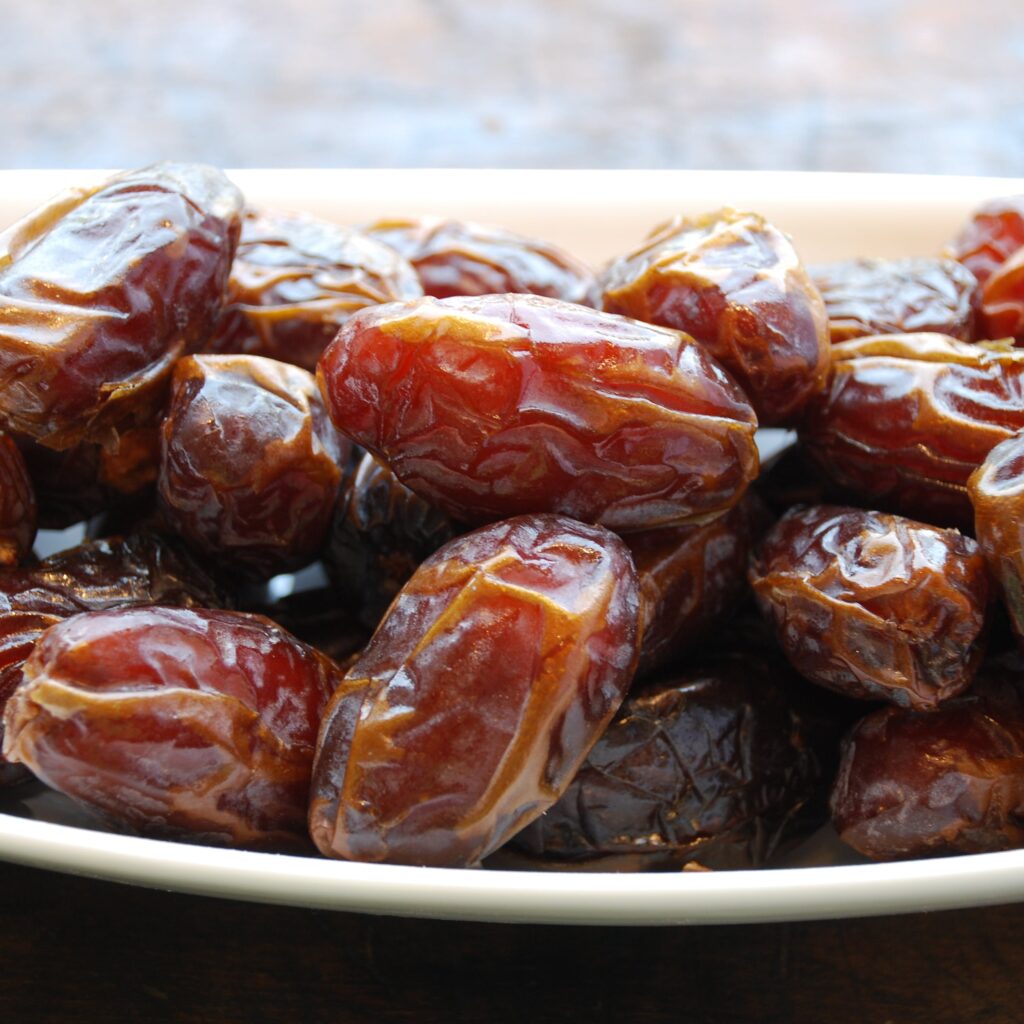
Medjool dates, known for their luscious texture and rich flavours, are a beloved delicacy enjoyed across Malaysia and far beyond. In this guide we trace the full journey of the fruit, from the date palm grove to the harvesting basket, and explain what separates a truly premium Medjool from an ordinary one. Whether you are buying a single box for the family or sourcing in volume for a business, understanding how these dates are grown helps you judge quality with confidence.
The Medjool Date: A Brief Overview
Medjool dates are often called the "King of Dates", and the title is well earned. They are prized for their large size, soft and yielding flesh, and a naturally sweet taste with notes of caramel and honey. This flavour profile makes them a favourite both as a wholesome snack on their own and as an ingredient in desserts, energy bites and even savoury dishes. Because demand stays high all year and peaks during Ramadan, knowing the variety's background helps shoppers understand why pricing and grading can vary so much from one supplier to another.
For households comparing varieties before they buy, it is worth reading our overview of Medjool dates in Malaysia, which sets out how the fruit fits into local tastes and table traditions.
Growing Medjool Dates: The Date Palm
The Date Palm Tree
Origin and adaptation: The date palm (Phoenix dactylifera) is native to the Middle East and North Africa, where it has been cultivated for thousands of years. It thrives in arid and semi-arid regions, with the best growth in hot, dry climates that have plenty of sunshine.
Growth and lifespan: A mature date palm can grow very tall, with long feathery fronds, and a healthy tree may bear fruit for many decades. It takes several years for a newly established palm to reach maturity and produce a worthwhile crop, which is one reason quality dates command a premium.
Cultivation Process
- Propagation: Date palms are commonly propagated through offshoots, known as "pups", which are small plantlets that grow near the base of the parent tree. These pups are carefully separated and transplanted to establish new groves, ensuring the new trees keep the desirable traits of the parent.
- Ideal growing conditions: Medjool dates favour regions with long, hot summers and mild winters. They need well-drained soil and prefer areas with abundant sunlight throughout the fruiting season.
- Irrigation: Although the palm is drought-tolerant once established, regular watering is important during the early stages of growth. Traditional flood irrigation and modern drip systems are both used to supply the moisture the fruit needs to develop fully.
- Pollination: Date palms have separate male and female trees. To ensure fruit production, growers plant or position male trees near the female trees, and hand pollination is often used to lift yields and keep them consistent.
- Fruit development: After successful pollination, the dates begin to form. They start small and green, then gradually swell and change colour as they ripen on the bunch.
Harvesting Medjool Dates
Ripeness Indicators
Choosing the right moment to harvest is crucial to preserving the quality and flavour of Medjool dates. Growers watch for several signs:
- Softness: A ripe Medjool should be soft to the touch but not mushy; a gentle squeeze gives slightly, signalling that the fruit is ready.
- Colour change: As the fruit ripens, it shifts from a bright yellow or amber tone to a rich, dark brown.
- Sugar content: Higher natural sugar is a clear sign of ripeness. Experienced growers can judge this by taste and feel, and some larger operations measure sugar levels with a refractometer.
Harvesting Techniques
- Clipping: Harvesters use long poles fitted with shearing tools to clip the ripe bunches from the upper fronds, taking care not to bruise the fruit.
- Bunch removal: Once clipped, each bunch is carefully lowered to the ground using ropes or ladders rather than being dropped, which protects the delicate flesh.
- Sorting and grading: Harvested Medjool dates are sorted and graded so that only the finest quality dates reach the market. They are inspected for size, texture, moisture and overall appearance, and the largest, softest fruit is set aside as premium grade.
From Grove to Malaysian Table
By the time a box of Medjool dates reaches a shelf in Malaysia, it has usually been cleaned, fumigated where required, packed and shipped across long distances under controlled conditions. Cold storage slows the natural ripening of the fruit and keeps it plump, so reputable suppliers invest heavily in proper handling. This logistics chain, together with grade and harvest year, is what shapes retail pricing. If you want to understand how those factors translate into ringgit, our breakdown of Medjool date prices walks through what you are really paying for.
Buyers who prefer to source directly from established Malaysian specialists often compare a few trusted names side by side, including medjool.com.my for Medjool-focused selections and kurmawholesale.com for broader wholesale ranges. For shoppers in particular who want graded, ready-to-eat Medjool dates Malaysia, buying from a supplier that publishes its grading and storage practices is the safest way to avoid dry, over-aged stock.
Delightful Flavours and Culinary Uses
Medjool dates are loved for their deep, natural sweetness and that signature caramel-and-honey note. That versatility makes them welcome in many dishes:
- Snacks: Eaten on their own, they are a satisfying, fibre-rich snack that curbs sugar cravings.
- Desserts: They add natural sweetness and a pleasant chewy texture to cakes, cookies, puddings and traditional kuih.
- Stuffing: Pitted Medjools can be filled with nuts, cheese or nut butter for a quick, elegant treat.
- Smoothies and shakes: Blended into drinks, they bring a velvety body and replace refined sugar.
Beyond flavour, the fruit carries genuine nutritional value, from fibre to potassium and natural energy. Readers who want the full picture can explore our guide to the nutritional bounty of dates before adding them to a daily routine.
How to Store Medjool Dates at Home
Once you have brought home a good box, a little care keeps the fruit at its best. Store Medjool dates in an airtight container away from direct sunlight. They keep well in a cool pantry for several weeks, and refrigeration extends freshness for months while preserving their soft texture. If you buy in bulk, freezing is a reliable option; the dates thaw with their flavour and chewiness intact. Should the surface develop a light sugary bloom, this is the fruit's natural sugar crystallising and is perfectly safe to eat.
Conclusion
Medjool dates, with their remarkable flavour and enticing texture, have won over palates around the world. From their slow growth on the date palm to the careful clipping and grading at harvest, every step shapes the exceptional quality that buyers prize. Understanding that journey makes it easier to recognise a premium box, store it well, and enjoy these dates at their absolute best, whether on their own or woven into your favourite recipes.